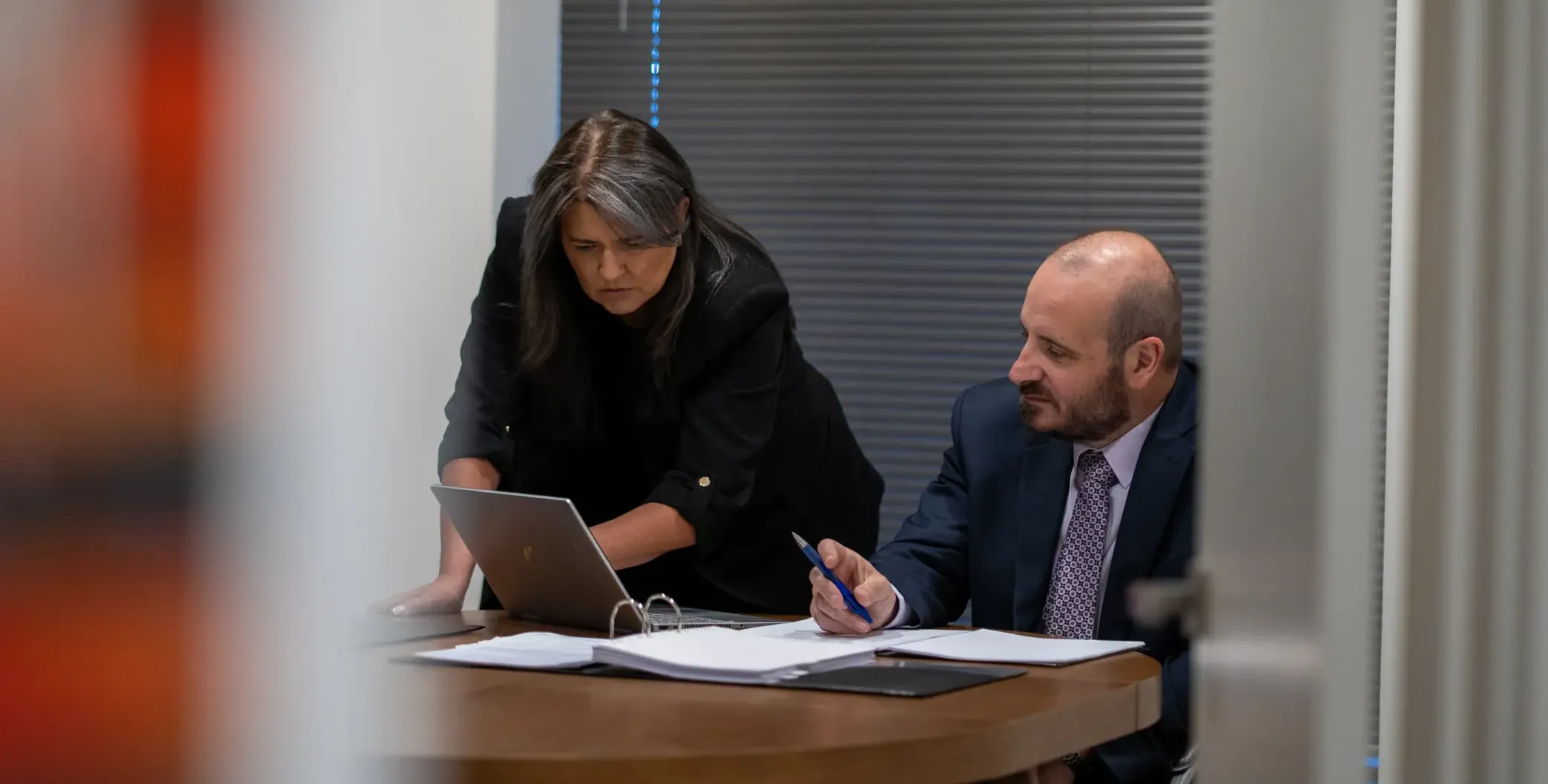
A legal Will is important to ensure that your wishes are carried out after you pass away. Powers of Attorney and Advance Care Directives are important documents to appoint trusted people to make decisions on your behalf whilst you are alive. We can assist with preparation of all these documents.
Areas of Wills & Estates We Cover
We have vast experience in assisting our clients to ensure their wishes are followed when preparing Wills, Powers of Attorney and Advance Care Directives.
Wills
When a person dies without a Will, your estate may go to people you don’t want it to. As soon as you have anything to your name, it is time to have a Will and have a say in how your assets are dealt with when you die. Wills should be updated following significant life changing events such as marriage, separation, divorce, the birth of a child, or the death of your partner or spouse. If you die without a valid Will you have died intestate, and the Public Trustee may manage your estate and charge a fee, so your true wishes may not be taken into account.
Power of Attorney
To ensure that your financial affairs can be attended to when you can’t, a Power of Attorney can assist. This is a legal document prepared by a lawyer to give someone nominated by you the power to look after your legal interests if you suffer from an illness or incapacity, or are away from home. If you have not appointed someone in this role and you become incapable of looking after yourself, someone may be appointed for you. It may be someone you do not agree with or the Public Trustee.
Advance Care Directive
An Advance Care Directive is a legal document where you appoint someone to carry out your wishes regarding your quality of life. You nominate where you would like to live, what healthcare you want to receive, and what consent you want to give for medical procedures. It gives you and your family certainty about your care if you can no longer make decisions for yourself, and can be prepared at the same time as your Will and Power of Attorney.

8,000+
Matters handled
We have handled over 8,000 matters, with many that are repeat clients.
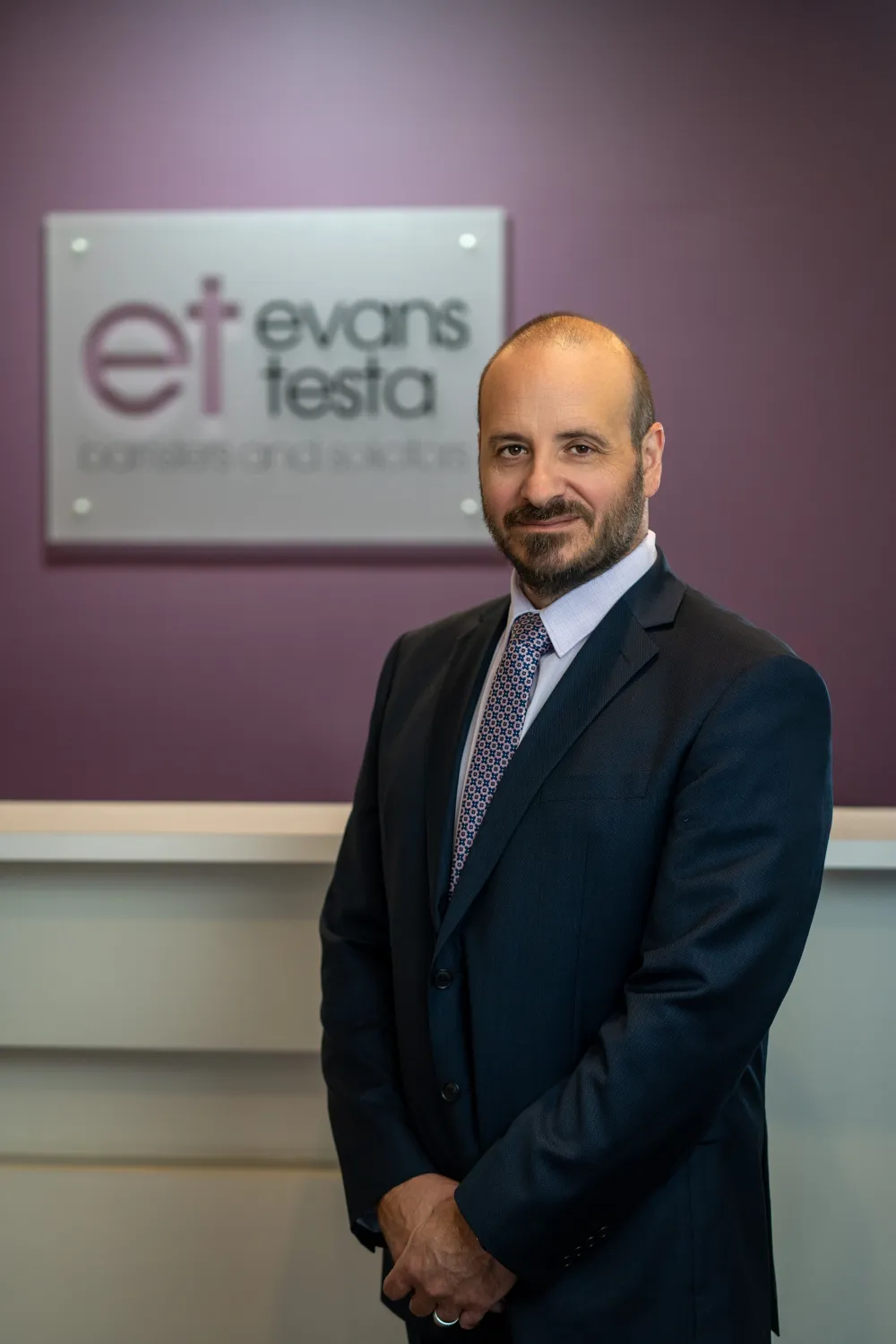
Phil Testa
Partner
Barrister & Solicitor
24 years of experience
Meet Phil Testa
Phil Testa was admitted to practice in 2002 after completing a double degree in Arts and Law at Adelaide University. He has considerable experience in general legal practice and has worked at various firms. Phil has also worked at Allianz SA – CTP managing claims involving major and catastrophic injury. He practices in all areas specialising in Civil Litigation, Family Law, Personal Injury Law and Wills and Estates. He was a member of the Law Society’s Accident and Compensation Committee for numerous years. Over the years, Phil has successfully handled large and complex matters involving personal injury (Common Law, Workers Compensation, Motor Vehicle Accidents) and general Civil Litigation. He has also developed a keen interest in all aspects of Family Law.
Phil is:
- a Barrister and Solicitor admitted to practice in both the Supreme Court of S.A. and the High Court of Australia.
- a member of both the Law Society of South Australia and the Law Council of Australia (Family Law Section).
Law Society of South Australia

High Court of Australia
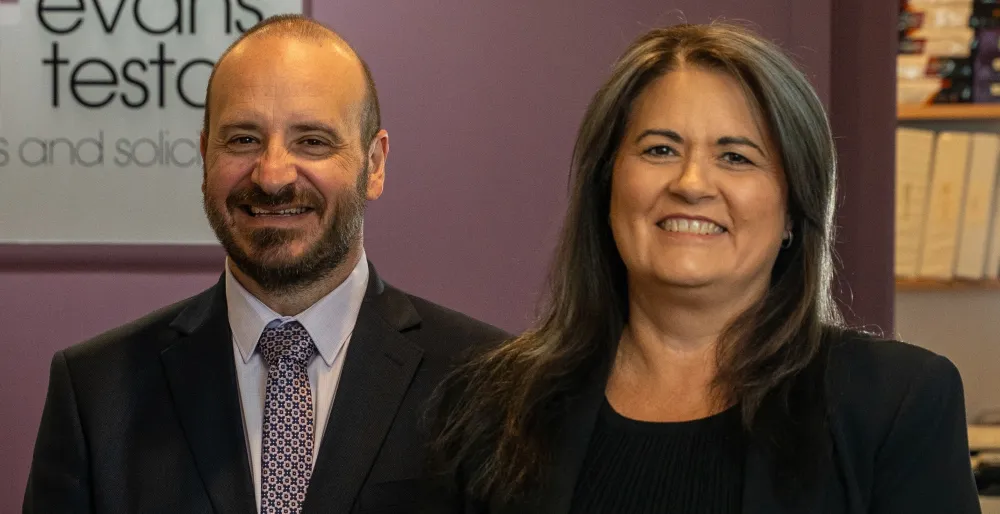
A Letter from Lauri & Phil
Lauri and Phil commenced working together in 2007 before starting Evans Testa Lawyers. Lauri had a policing background in uniform duties, plain clothes and prosecution. Having started in 1986 and resigning in 2003, to start something fresh. As with most corporate jobs, she began to get restless. To complement work in prosecution, and to fill some extra hours, she completed her law degree after hours. An opportunity to leave the police and put the degree into action was offered and a decision influenced and supported by family was taken. At the time, the opportunity had arisen to work with a small boutique firm that provided stability and growth. After 10+ years, and too much growth, a new opportunity arose to start a small, fresh, individual firm.
After completing his studies in law, Phil worked in the insurance industry managing major and catastrophic claims. This piqued his interest in personal injury law before he worked at numerous firms practising in this and other areas. Phil has since practiced for many years in civil litigation, family law, wills and estates. After many years, Phil jumped at the opportunity to start a small firm with a completely new outlook.
Lauri and Phil commenced Evans Testa in 2013. Since then, it has grown into a firm servicing the local and wider areas in numerous practice areas.
Warm regards,

Case Studies
Real outcomes for real people. These case studies show how we approach a matter and the difference the right representation can make.
Our Process
Step 1: Initial Free* Consultation
We often initially chat over the phone or face to face about your legal matter. We take the time to talk to you so we can understand your problem and offer options as to the right path moving forward.
*Your first 30 minute personal or telephone consult is free of charge.
Step 2: Engagement
If you choose to engage our services we will clearly set out what we require from you and what the initial steps will be in handling your matter. We will also provide you a quotation for your legal fees moving forward.
We will be transparent regarding our likely fees.
Step 3: Conduct of Matter
We will keep you informed regarding the conduct of your matter and let you know what is required at each step of the process in a timely manner.
We advise you, but you will always determine the path your matter takes.
We can promise that one lawyer will handle your matters from start to finish. Your matters are also never “handballed” to a junior lawyer.
Step 4: Conclusion of your matter
We aim to conclude your matter as expeditiously as possible.
Your matter may conclude but could give rise to further related legal issues. If so, we will offer further assistance.
Why Choose ET Law
Personalised service with experienced lawyers who take the time to listen and provide advice tailored to your specific needs or situation.
The ability to organise home visits to prepare Wills, Powers of Attorney and Advance Care Directives.
We do not apply any one set formula to all our matters. Each matter is dealt with on a case by case basis.
We provide up front quotations as to the likely cost of your matter and can offer fixed fee services in some cases.
We offer a 24 hour emergency service for arrest and urgent matters, so you can reach a legal representative when you need one most.
Your first 30 minute personal or telephone consult is free of charge, so you can understand your options before you commit.
FAQ
What is wills and estate law?
Wills and estate law governs how a person’s assets and property are managed and distributed after their death. It covers the creation of Wills, the administration of estates, probate and the distribution of assets when someone dies either with or without a Will.What is a Will?
A Will is a legal document that mirrors the intention of the writer and how they wish for their estate to be distributed upon their death.
A Will, to be valid, must meet certain legal requirements. If it does not, the Will may be deemed invalid and the person would be deemed to have passed away without a Will.
This will alter the distribution of the estate.
Can a Will be contested?
A Will can be contested if it is deemed by the Court to be invalid or unfair.
It may be contested by, for example, the dependents, spouse, child, stepchild or domestic partner of the deceased.
Does my Superannuation and Life Insurance entitlements form part of my estate?
Superannuation and/or life insurance usually does not automatically form part of the estate.
Trustees of a superannuation and/or life insurance fund may pay to a nominated beneficiary subject to a deceased person’s valid binding death benefit nomination.
Where there is no binding death benefit nomination, the trustees of the superannuation fund will pay these funds to the estate of the deceased.
Do I need a will?
In short, yes. Wills and estate law governs how a person’s assets and property are managed and distributed after their death. It covers the creation of Wills, the administration of estates, probate and the distribution of assets when someone dies either with or without a Will.
Send us a message
Use the following form or contact us directly through phone or email.
Your first 30-minute consultation is free*.
For after hours emergency advice, call 0409 645 733.